Nugget Ice Maker First Batch Time Explained
Wondering about nugget ice maker first batch time? See what affects it, what typical machines deliver, and how to get chewable ice sooner at home, fast.
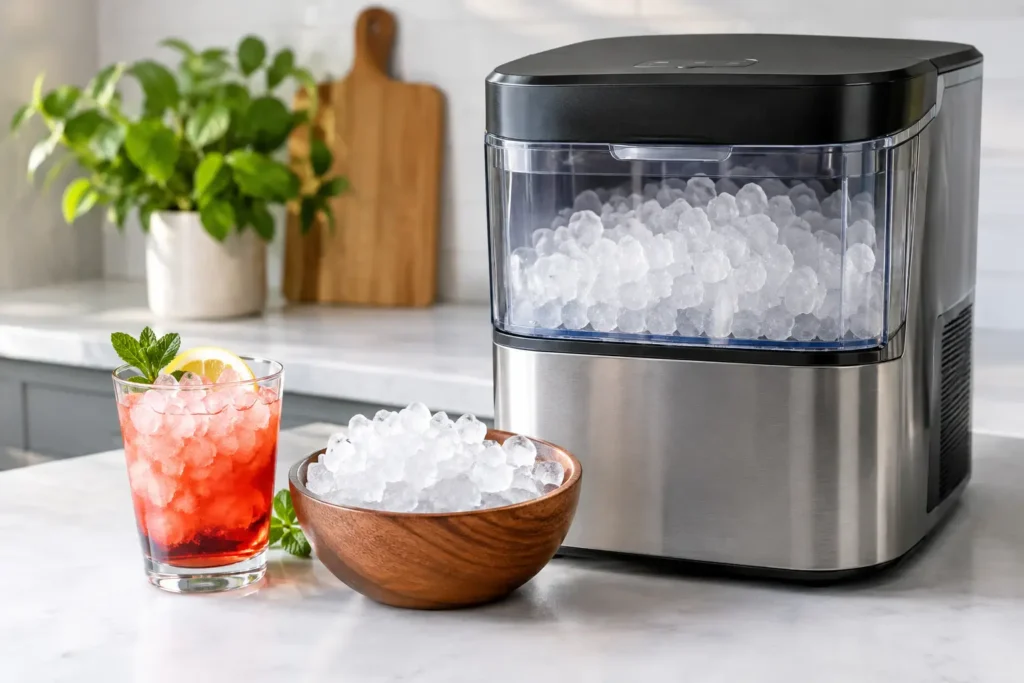
We may earn money or products from the companies mentioned in this post.
That empty bin can feel personal when you are waiting on your first glass of pebble ice. Nugget ice maker first batch time is usually longer than shoppers expect, especially when a machine is brand-new or starting from room temperature. For most countertop models, plan on roughly 10 to 20 minutes before the first small load drops. Some take closer to 25 or 30 minutes in a warm kitchen.
The good news: once the refrigeration system settles in, production becomes much more consistent. The bad news: “ready in minutes” does not mean a full bin in minutes. Here is what the first batch really tells you about the machine sitting on your counter.
What Is a Normal Nugget Ice Maker First Batch Time?
A normal first-batch window for a countertop nugget ice maker is about 10 to 20 minutes. That applies to popular home machines from brands such as GE Profile Opal, Ecozy, GoveeLife, Silonn, and EUHOMY, though each model has its own rhythm.
Premium machines are not automatically the fastest on day one. Some make excellent, soft, tightly packed nuggets but take longer to cool their internal components before producing the first pieces. A smaller budget model may dispense its first few pellets quickly, then struggle to keep pace during a crowded afternoon of refills.
Think of the first batch as a warm-up lap, not the daily-production claim. If a machine is rated for 26 to 38 pounds per day, that figure assumes ongoing operation under favorable conditions. It does not mean you will have a party-ready bin 15 minutes after plugging it in.
First batch versus a full bin
These are different milestones. The first batch may be only a handful of nuggets, enough to confirm the machine is working but not enough for four iced coffees. Depending on bin size and room conditions, filling a countertop bin can take two to four hours.
That distinction matters for hosts. If guests arrive at 6 p.m., starting the machine at 5:45 is a gamble. Start it earlier, or move ice into a freezer-safe container as it accumulates if you need a larger reserve.
Why the First Batch Takes Longer
Nugget ice machines do more than freeze cubes in a tray. They freeze water into a thin layer or flakes, scrape or compress that ice, then form the soft pellets people associate with Sonic-style drinks. That process needs the compressor, evaporator, and water system to reach operating temperature.
Several conditions can stretch the wait.
Warm water and a warm kitchen
Cold, filtered water gives the machine less heat to remove. If you fill the reservoir with water straight from a warm tap, expect a slower first cycle and potentially softer, wetter initial ice.
Kitchen temperature matters just as much. A unit running beside an oven, in direct sun, or inside a tight cabinet-like nook has to fight its own heat. Countertop ice makers need breathing room around their vents. When warm exhaust cannot escape, production slows and noise often rises.
A brand-new or recently moved machine
A new machine may need an initial cleaning cycle before use, and that adds time before you make drinkable ice. Follow the manual for your exact model, including whether it needs to sit upright after shipping. Starting a compressor immediately after a unit has been transported on its side can cause problems that are far more frustrating than a 20-minute wait.
After cleaning, discard ice as directed by the manufacturer. The first pieces can carry residual water from the cleaning process or harmless manufacturing odors that have no place in your lemonade.
Water quality and scale
Hard-water minerals do not usually double first-batch time overnight, but buildup can gradually reduce performance. Scale restricts water flow and interferes with the heat-transfer surfaces that make ice efficiently. If a machine that once produced in 12 minutes now needs 25, cleaning is a better first move than assuming the compressor has failed.
Filtered water is usually the practical sweet spot. It can improve taste and reduce mineral buildup, though no countertop nugget maker becomes maintenance-free just because it uses filtered water.
How to Get Nugget Ice Sooner
You cannot turn a 15-minute machine into a three-minute machine without changing the laws of refrigeration. You can, however, avoid the common mistakes that make first batches unnecessarily slow.
Start with cold water, ideally filtered water from the refrigerator or a cold tap. Place the ice maker on a level, open counter with clear space around the air vents. Run the cleaning cycle before first use, then begin a production cycle early rather than waiting until drinks are already poured.
For regular use, keep the reservoir topped up within the fill line and clean on the schedule your water conditions demand. Many households do well with a cleaning cycle every one to two weeks, while hard-water areas may require more frequent attention. If your machine has a self-cleaning button, use it, but remember that a self-clean cycle still needs the right cleaning solution and a thorough rinse when the manual calls for one.
Smart-connected machines can be genuinely useful here. App scheduling lets you start production before breakfast or ahead of a gathering. It is a convenience feature, not a performance upgrade, but it solves the first-batch problem better than standing in the kitchen watching an empty bin.
The Bin Is Not a Freezer
This is the ownership detail that surprises many first-time nugget-ice buyers. Most countertop machines make ice and store it in an insulated bin, but they do not actively freeze that bin. The nuggets slowly melt, and the water drains back into the reservoir to be made again.
That recirculation is normal. It also means a full bin is not a permanent ice supply. On a hot day, the ice will soften and shrink if nobody uses it. If you need ice for a cooler, a tailgate, or a long party, transfer finished nuggets to a freezer before they begin melting together.
The trade-off is simple: countertop machines are convenient and relatively compact, but they are production appliances, not freezer bins. Undercounter and commercial units can offer greater capacity, yet they cost more, require more space, and may need a water line and drain.
When a Slow First Batch Is a Problem
A first batch that takes 20 to 30 minutes in a hot kitchen is not automatically a red flag. A machine that repeatedly takes 40 minutes or more in normal conditions deserves attention, particularly if its output stays low after several hours.
Before seeking service, check the basics: make sure vents are clear, confirm the reservoir has enough water, clean the unit, and test it with cold water in a room below about 80°F. Also listen for unusual grinding, repeated clicking, or a pump that runs without producing ice. Those symptoms point beyond a normal warm-up delay.
Consistency matters more than one slow start. In our buying work at NuggetLab, we would rather see a machine deliver a dependable batch every 12 to 15 minutes than make one quick handful and fade when the bin gets busy.
Is Faster Always Better?
Not necessarily. Fast first-batch claims are appealing, but the better question is whether the machine makes ice you actually enjoy and can sustain enough output for your household. A loud unit with weak, watery pellets is not a winner because it beat another machine by four minutes.
For one or two people making iced coffee, cocktails, and everyday water bottles, a 15- to 20-minute first batch is usually perfectly livable. For a family that empties cups all day or a host who regularly serves a crowd, prioritize daily output, reservoir size, and a larger bin over a marginally faster startup.
Give a new nugget ice maker a clean setup, cold water, and enough counter ventilation, then let it establish its rhythm. The first handful is only the opening act. What matters is whether the next glass gets that soft, crunchy, chewable ice right when you want it.
